
Introduction
Two-factor authentication in payments is increasingly critical as digital transactions become ubiquitous. Users are more aware of the risks of unauthorized access, identity theft, and financial fraud. Traditional password-only systems are no longer sufficient. SmartPay implements robust two-factor authentication (2FA) to provide secure logins, user verification, and peace of mind for both individual and business users. This article explores how two-factor authentication strengthens payment security, the features SmartPay offers, and its benefits for B2C and B2B users.
Why Two-Factor Authentication Matters
Two-factor authentication adds an extra layer of security by requiring users to provide two forms of verification before completing a transaction or accessing their account.
1. Growing Threats to Digital Payments
Cybercriminals exploit weak passwords, phishing attempts, and device vulnerabilities. Without 2FA, accounts are vulnerable to unauthorized access, data breaches, and financial loss.
2. Impact on Consumers (B2C)
For individual users, unauthorized access can lead to drained accounts, compromised personal information, and frustration. Two-factor authentication ensures that even if a password is stolen, the second verification step protects the account.
3. Impact on Businesses (B2B)
SMEs and fintech companies are at risk of losing sensitive business data and experiencing operational disruptions. 2FA provides an additional safeguard to maintain security, trust, and regulatory compliance.
How SmartPay Implements Two-Factor Authentication
SmartPay combines usability and advanced security to implement effective two-factor authentication for all users.
1. Secure Login Process
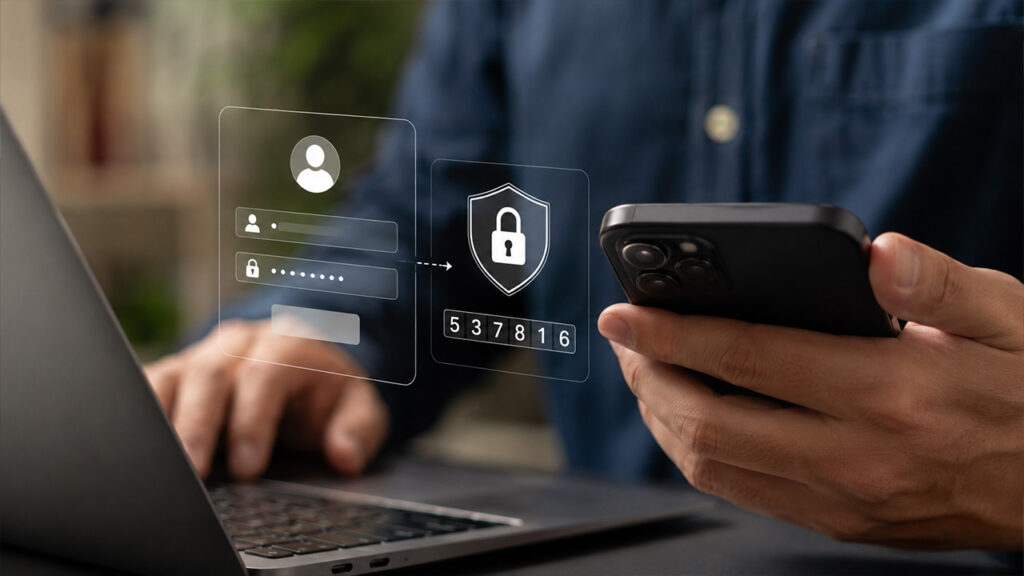
SmartPay requires a second verification factor after entering a password, which can include a one-time passcode (OTP) sent via SMS, email, or an authenticator app. This prevents unauthorized access even if credentials are compromised.
2. Device Recognition and Verification
SmartPay recognizes familiar devices and login patterns. If an attempt is made from an unknown device, additional verification is required, adding a layer of protection against suspicious logins.
3. Adaptive Authentication
SmartPay analyzes user behavior and transaction context. High-risk activities, such as large transactions or access from unfamiliar locations, trigger enhanced verification protocols to reduce fraud risk.
4. Seamless Integration With Payment Workflows
2FA is embedded into transaction processes without causing delays or inconvenience. Users can complete payments efficiently while maintaining maximum security.
5. Real-Time Alerts
Users receive instant notifications about login attempts, failed access, or suspicious activity. These alerts empower users to respond immediately to potential threats.
Advantages for B2C Users
Enhanced Account Security
Two-factor authentication ensures that individual users’ accounts are protected, reducing the risk of unauthorized access and identity theft.
Peace of Mind
Users can confidently conduct payments, knowing that SmartPay’s 2FA safeguards their financial information against potential breaches.
Simplified Control
Even with robust security measures, SmartPay maintains a user-friendly interface, allowing individuals to easily verify their identity and complete transactions without frustration.
Advantages for B2B Users
Protection of Sensitive Business Data
Companies can protect employee, vendor, and client account information. 2FA prevents unauthorized access to financial operations and confidential data.
Compliance With Security Standards
SmartPay’s 2FA system supports regulatory requirements for secure financial transactions, reducing compliance risk for businesses.
Operational Continuity
By mitigating security breaches, businesses maintain uninterrupted operations, protecting cash flow, supplier relationships, and client trust.
SmartPay Features Supporting Two-Factor Authentication
Multi-Channel Verification
SmartPay supports OTPs via SMS, email, and authenticator apps, ensuring reliable second-factor verification for all users.
Behavioral Analysis
SmartPay monitors login patterns and transaction behavior to detect anomalies, prompting additional verification when necessary.
Integration With Fraud Detection
Two-factor authentication works alongside AI-powered transaction monitoring to provide a comprehensive security solution.
Centralized Management for Businesses
B2B users can manage employee access and permissions across multiple accounts while ensuring secure payment workflows.
Best Practices to Maximize 2FA Security
- Enable Two-Factor Authentication: Always activate 2FA for your SmartPay account.
- Secure Your Devices: Keep smartphones and computers protected with passwords or biometrics.
- Stay Informed: Monitor login alerts and unusual account activity promptly.
- Educate Teams: Businesses should train staff on phishing risks and 2FA best practices.
Why Two-Factor Authentication Builds Trust
Implementing 2FA strengthens user confidence in digital payment platforms. Knowing that SmartPay requires multiple verification steps reduces the risk of fraud, encourages wider adoption, and enhances trust for both individual and business users.
Secure Your Payments With SmartPay
Two-factor authentication in payments is no longer optional—it is essential. SmartPay’s implementation of 2FA provides secure logins, device verification, adaptive authentication, and real-time alerts, protecting users from unauthorized access and fraud.
By choosing SmartPay, you benefit from:
-
- Enhanced security for every transaction\
- Blockchain-backed and adaptive verification
- Seamless integration of 2FA into payment workflows
- Increased trust and peace of mind for B2C and B2B users
Download SmartPay today and safeguard your financial activity with intelligent two-factor authentication. Experience secure, seamless, and reliable digital payments designed for modern challenges.
References:
https://www.forbes.com
https://www.worldbank.org
https://www.mckinsey.com
https://www2.deloitte.com
https://www.investopedia.com