
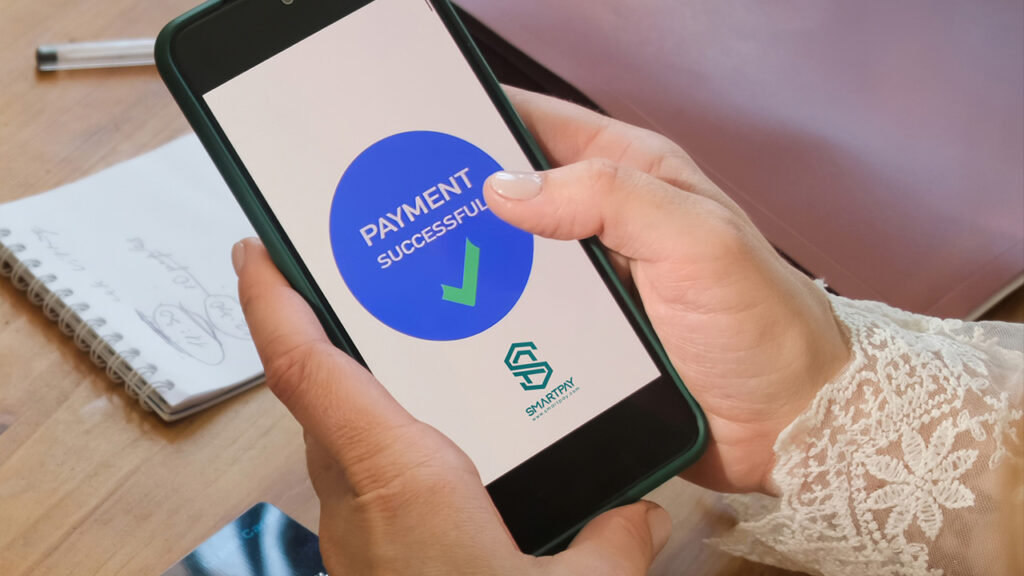
Blockchain Integration: Enhancing Security and Transparency
Blockchain integration is one of the most significant drivers of the future of mobile payments. By decentralizing transaction records, blockchain ensures that every payment is secure, transparent, and tamper-proof. Unlike traditional payment systems that rely on centralized databases, blockchain’s distributed ledger prevents unauthorized modifications and reduces the risk of fraud.
How Blockchain Prevents Fraud
Fraud and unauthorized access are major concerns in digital payments. Blockchain addresses this by encrypting each transaction and creating a verifiable audit trail. Users and businesses can trace every transfer in real time, increasing transparency and trust.
Real-World Applications
Companies are increasingly adopting blockchain in mobile payments to enable instant cross-border transactions without the need for intermediaries. This not only reduces transaction times but also cuts costs, making mobile payments more efficient and reliable.
UPI Evolution: Transforming Digital Transactions in India
The Unified Payments Interface (UPI) has revolutionized digital payments, particularly in India. Since its launch, UPI has grown from a simple bank-to-bank transfer platform into a comprehensive ecosystem supporting bill payments, QR code payments, and multi-bank integration.
Benefits of UPI for Users
The UPI evolution allows users to make real-time transactions between multiple banks seamlessly. It has simplified mobile payments, enabling millions of people, including the unbanked and underbanked populations, to access financial services through their smartphones.
UPI and Business Efficiency
For businesses, UPI reduces the friction in receiving payments, ensuring instant payments for services and goods. This improvement in cash flow and operational efficiency is a key factor in the growing adoption of mobile payments in emerging markets.
Key Trends Shaping the Future of Mobile Payments
Several trends are shaping the future of mobile payments, making it more convenient and secure than ever:
Real-Time Transactions
Consumers today expect transactions to be instant. Traditional banking systems often delay payments, causing frustration and inefficiencies. The rise of mobile apps offering real-time transactions ensures users can send and receive money immediately, improving personal finance management and business operations.
Multi-Bank Integration
Integrated platforms allow users to manage multiple bank accounts from a single app. This multi-bank integration reduces complexity, saves time, and allows for unified expense tracking and reporting.
Blockchain Security
As discussed, blockchain security is essential for reducing fraud and maintaining trust in mobile payments. Decentralized ledgers ensure that financial transactions are transparent and verifiable, which is increasingly demanded by users worldwide.
AI and Fraud Detection
Artificial Intelligence is playing a growing role in fraud prevention by analyzing transaction patterns in real time. Machine learning algorithms can detect unusual activity, alerting users and blocking potentially fraudulent transactions before they occur.
Expansion of Payment Channels
From QR codes to contactless wearables, the future of mobile payments will see increased adoption of new channels that enhance convenience. These technologies enable seamless and secure payments without the need for cash or physical cards.
Challenges in the Future of Mobile Payments
While the outlook is promising, the mobile payment industry faces challenges:
Cybersecurity Threats
As digital transactions increase, so does the risk of cyberattacks. Ensuring strong security measures and compliance with privacy regulations is critical for user trust.
Regulatory Compliance
Payment providers must navigate complex and varying regulations across countries. Failing to comply can result in penalties, delayed rollouts, or limited service adoption.
User Education and Digital Literacy
Many users are still unfamiliar with advanced payment methods or may distrust new technologies. Education and user-friendly interfaces are crucial to drive adoption and improve customer confidence.
How SmartPay is Preparing for the Future
SmartPay is leveraging these innovations to create a seamless, secure, and real-time mobile payment experience. By integrating features like multi-bank linking, instant payments, and blockchain security, SmartPay ensures users can manage finances efficiently while minimizing risks.
Businesses also benefit through reduced payment processing times, lower fees, and increased reliability. SmartPay’s platform anticipates the trends shaping the future of mobile payments, positioning users and businesses at the forefront of digital finance.
Embracing the Future of Mobile Payments
The future of mobile payments is being defined by faster, safer, and more accessible technologies. Innovations like Blockchain integration and the UPI evolution are transforming how money moves globally. As platforms like SmartPay continue to develop, users can expect enhanced security, efficiency, and convenience in their everyday financial transactions.
Stay ahead in digital finance — explore SmartPay and experience the future of mobile payments today with secure, instant, and integrated solutions!